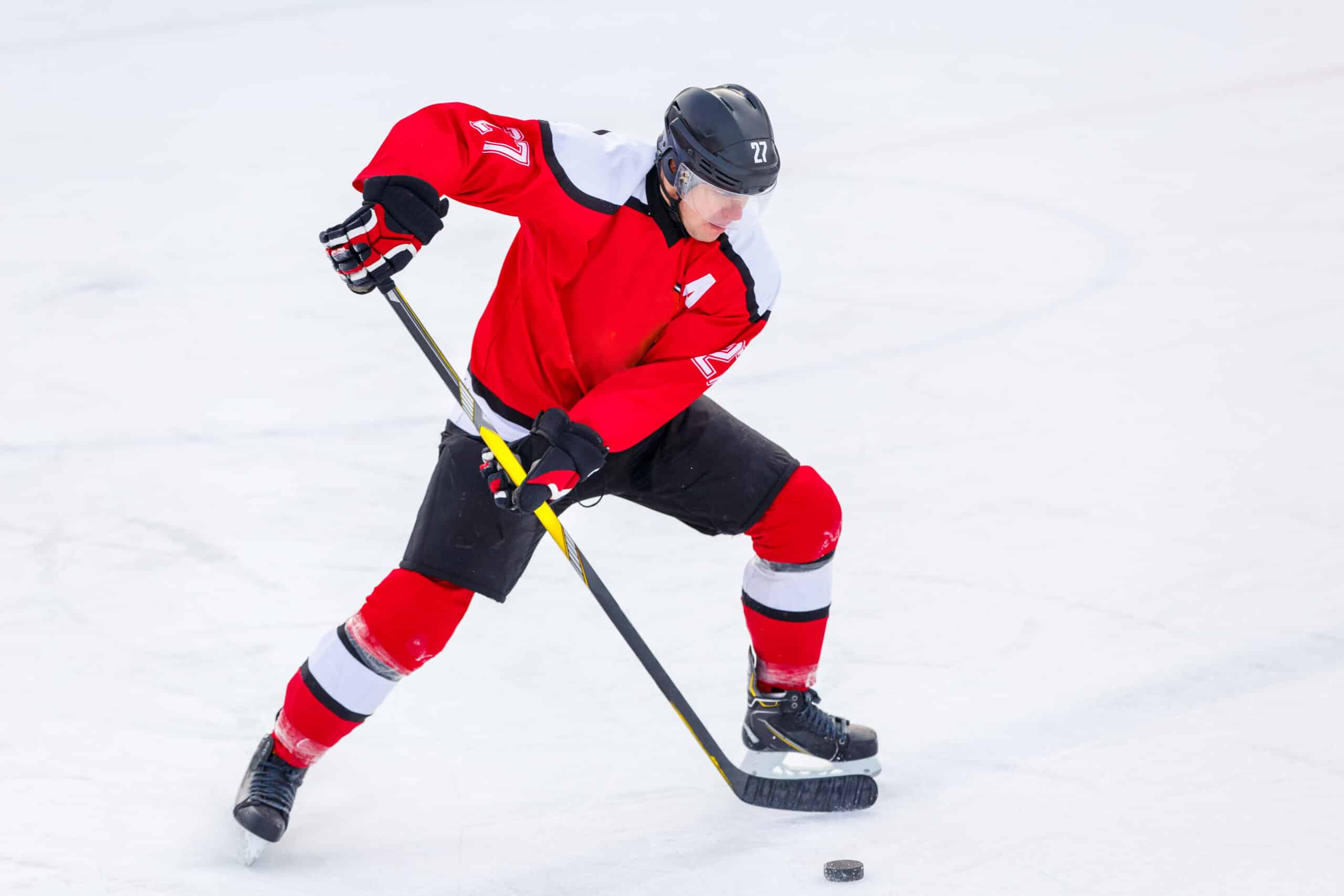
Sports Physiotherapy Edmonton

Get Back in the Game with Confidence and Strength
Book An Appointment

How Sports Physiotherapy Helps Active Individuals

Beyond Pain Relief Supporting Peak Performance

Sports Physiotherapy Edmonton helps active individuals recover from sports‑related injuries and return to physical activity safely. Injuries such as ACL injuries, MCL sprains,muscle strains, ligament sprains, and joint pain can affect strength, movement, and overall performance. At Next Step Physiotherapy, we focus on understanding how your injury impacts your sport and daily routine. Our physiotherapists create personalized rehabilitation plans to reduce pain, improve mobility, and support a safe return to training and competition.

What Is Sports Physiotherapy?

Sports physiotherapy Rehab in Edmonton is a branch of rehabilitation focused on preventing, treating, and managing sports related injuries. Unlike general physiotherapy, it addresses the unique demands athletes place on their bodies. From sprained ankles on the soccer field to repetitive strain from tennis, each injury has a direct impact on performance, training, and long-term health.

Our physiotherapists at Next Step Physiotherapy Edmonton use evidence-based techniques to help you:

  • Recover safely from acute injuries.
  • Improve flexibility, endurance, and strength.
  • Identify movement patterns that increase injury risk.
  • Prevent setbacks with tailored conditioning programs.

Next Step Physiotherapy supports athletes and active individuals with sports physiotherapy programs from our clinic at Suite 106A, 7319–29 Avenue NW in Southeast Edmonton. Our treatments focus on injury recovery, strength rebuilding, performance improvement, and safe return to sport through personalized, one-on-one care.

Conveniently located near neighbourhoods such as Mill Woods, Kameyosek, Meyonohk, and Tawa, our clinic offers accessible sports physiotherapy services for individuals seeking recovery close to home.

We serve recreational and competitive athletes across Edmonton who are searching for sports physiotherapy near them, providing targeted rehabilitation programs designed to restore movement, prevent re-injury, and improve overall performance.

Conditions We Treat with Sports Physiotherapy in Edmonton

Sports injuries in Edmonton come in many forms, from sudden accidents to overuse issues that build over time. At our physiotherapy clinic, we see athletes and active individuals with a wide range of conditions. Here’s a closer look at some of the most common injuries and how we help: 

Sprains affect ligaments, while strains involve muscles or tendons. Whether caused by quick direction changes in basketball or overstretching during gymnastics, our physiotherapists use manual therapy, strengthening, and mobility drills to restore function.

Sports that involve repetitive motions, like tennis, baseball, or running, can lead to inflammation of tendons. Tendonitis often causes pain, swelling, and reduced performance. We focus on load management, strengthening, and recovery strategies that let you continue training safely.

From ACL tears in soccer to runner’s knee in long-distance training, knee problems can sideline athletes quickly. Our team designs programs that restore joint stability, rebuild strength, and retrain movement patterns for safer returns to activity.

Athletes in sports like swimming, volleyball, and baseball often deal with rotator cuff injuries or impingement. Sports physiotherapy supports recovery through targeted mobility and strengthening exercises to reduce pain and improve overhead movements.

A rolled ankle during basketball or soccer can leave you limping for weeks. Our rehabilitation programs combine balance training, proprioceptive work, and strengthening to prevent re-injury and restore agility.

Contact sports often carry the risk of concussion. Symptoms such as dizziness, blurred vision, or difficulty concentrating can affect both athletic and daily life. Our physiotherapy clinic provides structured concussion management, including vestibular and balance retraining.

Athletes in weightlifting, hockey, or rowing often deal with back or neck issues due to posture and repetitive strain. Sports physiotherapy restores mobility, builds core strength, and teaches safe movement strategies to protect the spine.

Tennis elbow, golfer’s elbow, and wrist sprains are common among racquet sport athletes and weightlifters. Our physiotherapists treat these with soft tissue therapy, eccentric strengthening, and ergonomic adjustments to reduce strain.

Sports like hockey, soccer, and dance place high demands on the hips and groin. We help restore range of motion, address muscular imbalances, and improve stability to support powerful, pain-free movements.

When fractures or surgeries occur, physiotherapy plays a crucial role in regaining strength and mobility. Our tailored programs ease the transition back to sport safely and progressively.

Common among runners and jump athletes, shin splints cause pain along the front or inner edge of the shin. Sports physiotherapy helps by addressing muscle imbalances, improving footwear support, and guiding gradual training progression.

Athletes who run, jump, or train on hard surfaces often develop heel and arch pain. Through stretching, strengthening, and manual therapy, we help reduce pain and improve foot mechanics for long-term relief.

Hamstring pulls or tears are frequent in sprinting and field sports. Rehabilitation focuses on progressive loading, eccentric strengthening, and flexibility to restore power and prevent re-injury.

This overuse injury, common in runners and cyclists, causes pain on the outside of the knee or thigh. Physiotherapy reduces tension, strengthens supporting muscles, and improves biomechanics.

Sports involving repeated jumping, such as basketball or volleyball, often cause tendon pain at the front of the knee. Our team uses loading strategies, soft tissue therapy, and sport-specific drills to get you back on the court.

Repetitive jumping or sprinting stresses the Achilles tendon. Treatment includes eccentric calf strengthening, mobility work, and shockwave therapy when needed.

Contact sports frequently cause deep muscle bruises. Sports physiotherapy promotes healing through circulation techniques, gentle movement, and progressive strengthening.

Rowers, wrestlers, and hockey players often strain core muscles or ribs. Rehabilitation focuses on breathing mechanics, stability, and progressive strength training.

From ankle sprains to more complex ligament damage in the knee or shoulder, physiotherapy supports healing while restoring strength, proprioception, and function.

Sometimes the “injury” isn’t visible, and athletes may experience chronic fatigue or pain from overtraining. Sports physiotherapy includes recovery strategies, workload management, and tailored exercise to restore balance.

Benefits of Sports Physiotherapy for Athletes:

Our Sports Physiotherapy Treatment Approach

Comprehensive Assessment

Every recovery journey begins with a detailed assessment. Our physiotherapists examine your movement patterns, posture, muscle balance, and the specific demands of your sport. Whether you’re a hockey player dealing with shoulder strain, a runner managing shin splints, or a recreational athlete with recurring aches, this step allows us to identify the root cause and design a safe, sport-specific plan.

Our hands-on treatments help restore mobility, reduce tightness, and support healing across different sports.

  • Soft Tissue Techniques – Loosen tense muscles and prevent scar tissue buildup, often used for runners, cyclists, and lifters with tight lower limbs.
  • Joint Mobilizations – Restore smooth joint movement, especially for football players, volleyball athletes, and tennis players dealing with stiffness.
  • Myofascial Release – Relieves connective tissue restrictions, useful for swimmers, rowers, and gymnasts who need fluid mobility.
  • Active Release Therapy (ART) – Breaks down adhesions and scar tissue, effective for martial artists, sprinters, and wrestlers recovering from repetitive strain.

A major component of sports physiotherapy involves strengthening, retraining, and sport-specific conditioning.

  • Strength Training Programs – Build muscle balance and reduce injury recurrence, tailored for hockey players, football athletes, and weightlifters.
  • Flexibility and Mobility Work – Improve range of motion for dancers, runners, and gymnasts.
  • Sport-Specific Drills – Mimic real movements, such as agility ladders for basketball, throwing mechanics for baseball, or kicking patterns for soccer.
  • Core Stabilization Routines – Enhance posture and balance, crucial for golfers, swimmers, and track athletes.


We use targeted modalities to accelerate healing, manage pain, and support recovery.

  • Ultrasound Therapy – Stimulates circulation and reduces inflammation, helpful for tendon injuries in runners, volleyball players, and swimmers.
  • Electrical Stimulation (E-Stim/TENS) – Reduces pain and supports muscle activation, especially for athletes in high-contact sports like football or rugby.
  • Heat and Cold Therapy – Manages swelling after acute injuries and reduces stiffness in chronic conditions, applicable across all sports.
  • Radial Shockwave Therapy – Speeds up tendon recovery, effective for tennis elbow, plantar fasciitis in runners, or jumper’s knee in volleyball.

We provide taping and supportive braces to stabilize joints, reduce strain, and allow safe training.

  • Kinesio Taping – Supports natural movement while reducing pain and swelling, commonly applied for ankle sprains in soccer, shoulder pain in swimmers, and knee discomfort in basketball players.
  • Bracing Solutions – Provide extra stability for athletes returning from ligament injuries or managing chronic joint instability.

Our physiotherapists believe in empowering athletes with tools to stay healthy beyond the clinic.

  • Posture and Body Mechanics – Teach safe techniques that protect joints during sport and everyday activity.
  • Warm-Up and Recovery Routines – Minimize injury risk and improve long-term performance, whether you’re a weekend runner or a competitive hockey player.
  • Workload and Recovery Balance – Guidance on training schedules to prevent overtraining and support consistent progress.

Is Sports Physiotherapy in Edmonton Covered by Insurance?

Yes, in most cases, sports injury physiotherapy is covered under extended health insurance plans. At Next Step Physiotherapy in Edmonton, we make the process as stress-free as possible so you can focus on recovery, not paperwork.

Home Care and Self-Management Strategies

At Next Step Physiotherapy in Edmonton, we make sure your recovery continues long after you leave the clinic by equipping you with simple, practical tools. 

Tailored drills for your sport, position, and goals.

Quick routines to ease stiffness and restore range of motion.

Guidance on how daily habits fuel recovery.

Online support when you can’t make it to the clinic.

Safe practices to prevent future injuries.

Techniques to release tension between sessions.

Learn how to balance training intensity with recovery.

Simple tips to reduce cramping and fatigue.

The Next Step Toward Stronger, Healthier Performance

Sports injuries don’t have to hold you back from the activities you love. Our sports physiotherapist in Edmonton helps athletes recover from injuries, prevent setbacks, and reach their performance goals with confidence.

Whether you’re bouncing back from a sprain, recovering after surgery, or looking to promote your athletic performance, our sports physiotherapists are here to guide you every step of the way.

Contact Next Step Physiotherapy in Edmonton today to book your sports physiotherapy consultation and get back to moving stronger and faster.

Physiotherapist Assessing Young Sportsman During Rehabilitation Session

Meet Our Sports Physiotherapists

Jaiganesh Ravindra Babu

Jaiganesh Ravindra Babu

Sports Physiotherapist

Jaiganesh brings years of experience in helping athletes recover from sports injuries and return to performance with confidence. His background in orthopedics and sports medicine enables him to create tailored rehab programs that match the demands of each sport.

Mercy Manoharan

Mercy Manoharan

Sports Physiotherapist

Mercy has extensive experience in neuromusculoskeletal and sports rehab, helping athletes recover from injuries and regain functional strength. Her caring approach and commitment to ongoing learning make her a trusted partner in guiding clients back to active living.

Watch Our Videos To Know More:

Reviews

FAQ on Sports Physiotherapy Edmonton

1. Understanding Sports Physiotherapy

Sports physiotherapy is a type of rehabilitation that focuses on preventing, managing, and treating sports-related injuries. It helps athletes and active individuals recover safely while improving performance and preventing future injuries.

While general physiotherapy treats a wide range of conditions, sports physiotherapy is tailored to the specific demands athletes place on their bodies. It includes sport-specific exercises, recovery strategies, and return-to-play planning.

Exercises may include strength training, flexibility drills, balance work, agility training, and sport-specific movement patterns such as running mechanics, throwing, or jumping drills.

No. Sports medicine involves doctors who evaluate and medically treat injuries, while sports physiotherapy focuses on rehabilitation, recovery, and preventing re-injury.

A sports physiotherapist provides rehabilitation for a wide range of injuries, while athletic therapists often focus on immediate injury management during practices and games.

No. Sports massage helps with muscle relaxation and recovery, while sports physiotherapy addresses the root causes of injury and includes structured rehabilitation.

A sports physiotherapist evaluates your injury, designs a personalized recovery plan, uses hands-on techniques, prescribes exercises, and tracks your progress until you’re ready to return to sport.

They identify weak spots, imbalances, or poor movement patterns that increase injury risk and create conditioning programs to strengthen and stabilize the body.

Sports rehabilitation is a branch of physiotherapy focused solely on athletic injuries, while physiotherapy more broadly treats musculoskeletal, neurological, and post-surgical conditions.

Athletes push their bodies harder than average, so they need care to recover quickly, maintain performance, and prevent recurring injuries.

If you want long-term recovery and prevention, a sports physiotherapist is the right choice. For immediate game-side care, an athletic therapist may be helpful.

If your injury involves joints, tendons, or movement patterns, sports physiotherapy is essential. Sports massage is a useful complement for muscle relaxation but not a replacement for structured rehab.

Exercise physiologists design safe fitness programs, while sports physiotherapists treat injuries and guide athletes back to sport. Many athletes benefit from working together.

Avoid saying “I’ll just push through the pain.” Honesty about your symptoms, habits, and training schedule ensures a safer recovery plan.

Search online for sports physiotherapy near me or ask your doctor or coach for recommendations. Look for clinics like Next Step Physiotherapy in Edmonton that focus on athletic care.

Sports physiotherapy near you offers tailored treatment for the unique physical demands of your sport, making recovery faster and more effective.

It helps athletes avoid long breaks from their favourite activities, reduces pain, and ensures a safer return to training and competition.

Yes. By improving strength, mobility, and movement efficiency, sports physiotherapy enhances performance while reducing injury risks.

They focus not just on injury recovery but also on keeping athletes active, preventing overuse problems, and supporting healthy movement throughout life.

No. Sports injury physiotherapy benefits anyone who is active, from weekend joggers to recreational hockey players to kids in school sports.

Sports physiotherapy is used for sprains, strains, ligament tears, tendon injuries, concussions, joint pain, and overuse conditions. If an injury limits your ability to train, compete, or perform daily activities, physiotherapy can guide recovery safely.

Sprains and strains are the most common, often affecting ankles, knees, or hamstrings. They happen from sudden movements, falls, or overstretching and respond well to targeted rehabilitation.

Yes. Physiotherapists reduce swelling, restore joint mobility, and use balance and strength training to prevent repeated ankle sprains. This allows athletes to return to sport more confidently.

Treatment includes strengthening the muscles that support the knee, restoring mobility, correcting movement patterns, and teaching sport-specific drills to safely return to activity.

Yes. Physiotherapists address dizziness, balance problems, and motion sensitivity after a concussion. Gradual, guided progression helps athletes recover safely and return to play when symptoms are under control.

Physiotherapy restores mobility, reduces pain, and strengthens shoulder stabilizers. For overhead athletes like swimmers or baseball players, it also retrains mechanics to reduce future strain.

Absolutely. Physiotherapists use soft tissue release, eccentric strengthening, and ergonomic adjustments to ease pain and restore function in repetitive-use injuries.

Recovery timelines vary. Minor strains may improve in weeks, while ligament or tendon injuries may take months. Progress depends on injury type, severity, and how consistently exercises are followed.

Acute injuries happen suddenly, such as a sprained ankle during a game. Chronic injuries gradually form as a result of repeated stress on the body over time, like shin splints or tendonitis. Physiotherapy addresses both with different strategies.

Yes. After surgeries like ACL reconstruction or rotator cuff repair, physiotherapy restores strength, mobility, and functional confidence to return athletes to sport safely.

Yes. Children and teens benefit from tailored rehabilitation programs that account for growth, development, and age-appropriate activity levels, helping them heal and stay active.

4. Sports Performance and Prevention

Yes. Beyond injury treatment, physiotherapy enhances strength, endurance, flexibility, and movement efficiency, helping athletes perform at a higher level.

They assess the sport’s demands, your role or position, and your current recovery stage. Programs gradually increase intensity, adding drills that mimic real gameplay until you’re ready to compete.

Physiotherapists identify muscle imbalances, poor movement patterns, or overtraining risks and correct them before they lead to injuries. Prevention is a core part of every program.

Yes. Balance and agility drills are integrated to improve coordination, reduce fall risk, and prepare athletes for quick changes of direction in sport.

A solid core stabilizes the spine and pelvis, improving posture, power, and efficiency in movements like running, lifting, or jumping.

Yes. Physiotherapists monitor load, adjust exercises, and teach recovery strategies to reduce the risk of burnout while keeping athletes active.

Yes. Taping and bracing provide joint stability, reduce strain, and allow athletes to train or compete while protecting injured or healing areas.

Through targeted stretching, mobility drills, and myofascial release, physiotherapy improves range of motion while ensuring joints remain stable and safe.

Drills mimic the demands of each sport: agility ladders for basketball, kicking drills for soccer, throwing mechanics for baseball, or rotational training for golf.

Yes. Tailored programs improve strength, balance, and joint health, helping older athletes stay active in recreational sports without unnecessary strain.

By gradually rebuilding strength, mobility, and sport-specific skills, physiotherapy restores both physical ability and mental assurance, helping athletes trust their bodies again.

Sprains, strains, tendonitis, fractures, concussions, overuse injuries, and post-surgical rehab all benefit from sports physiotherapy.

Ankle sprains, hamstring strains, and knee injuries are among the most frequent.

It reduces pain, restores mobility, strengthens tissues, and safely guides return-to-sport progression.

It includes balance retraining, vision exercises, and gradual return-to-play programs.

Yes. It addresses movement patterns, training loads, and muscle imbalances that cause overuse injuries.

By using sport-specific drills, functional training, and testing readiness before full participation.

Acute injuries happen suddenly (like sprains), while chronic injuries build over time (like tendonitis).

They provide joint stability and reduce strain while athletes return to play.

Yes, they can provide documentation recommending time off or a modified activity.

It ensures exercises are evidence-based, effective, and tailored to athletic performance.

Recovery times vary: minor sprains may take 2–3 weeks, while major injuries can require months of structured rehab.